Action Camera Parameter Guide: X20, Q1, Q2, Q3 & Q7 Specs
Action Camera Parameter Guide: X20, Q1, Q2, Q3 & Q7 Specs
Choosing an action camera model is a commercial decision; choosing its parameters is a manufacturing decision. This guide is written for OEM buyers who have already shortlisted the YUAOHENG lineup and now have to convert datasheet language — 2K, 4K, WiFi, anti-shake, night vision — into an order specification that can be tested, repeated across production batches, and defended to a distributor.
Short answer. In the YUAOHENG action camera lineup, X20 is specified at 2K with WiFi; Q1 and Q3 are specified at 4K with WiFi; Q2 is specified at 4K with WiFi, a touch screen and anti-shake. The parameters that sit around those model tiers — a 130-degree wide-angle lens, infrared night vision with four infrared lights and manual switching, simultaneous dual recording, 6-level electronic image stabilization, IPS display options, Mini USB 2.0, touch plus physical dual buttons, ABS housing, battery options of 1000mAh/3.8V and 18650 2000mA, and waterproof case compatibility — must be confirmed model by model before they enter a purchase order.
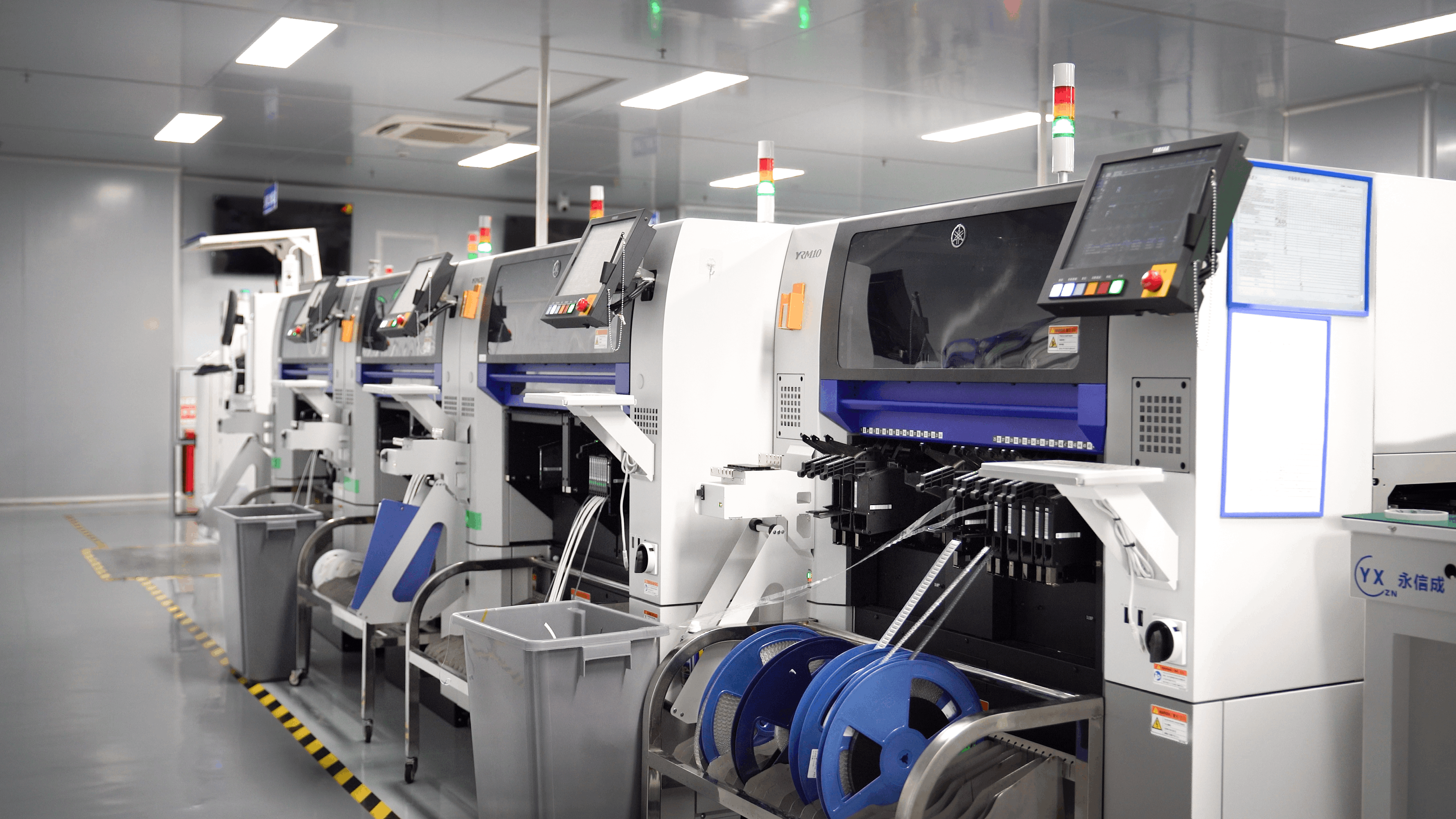
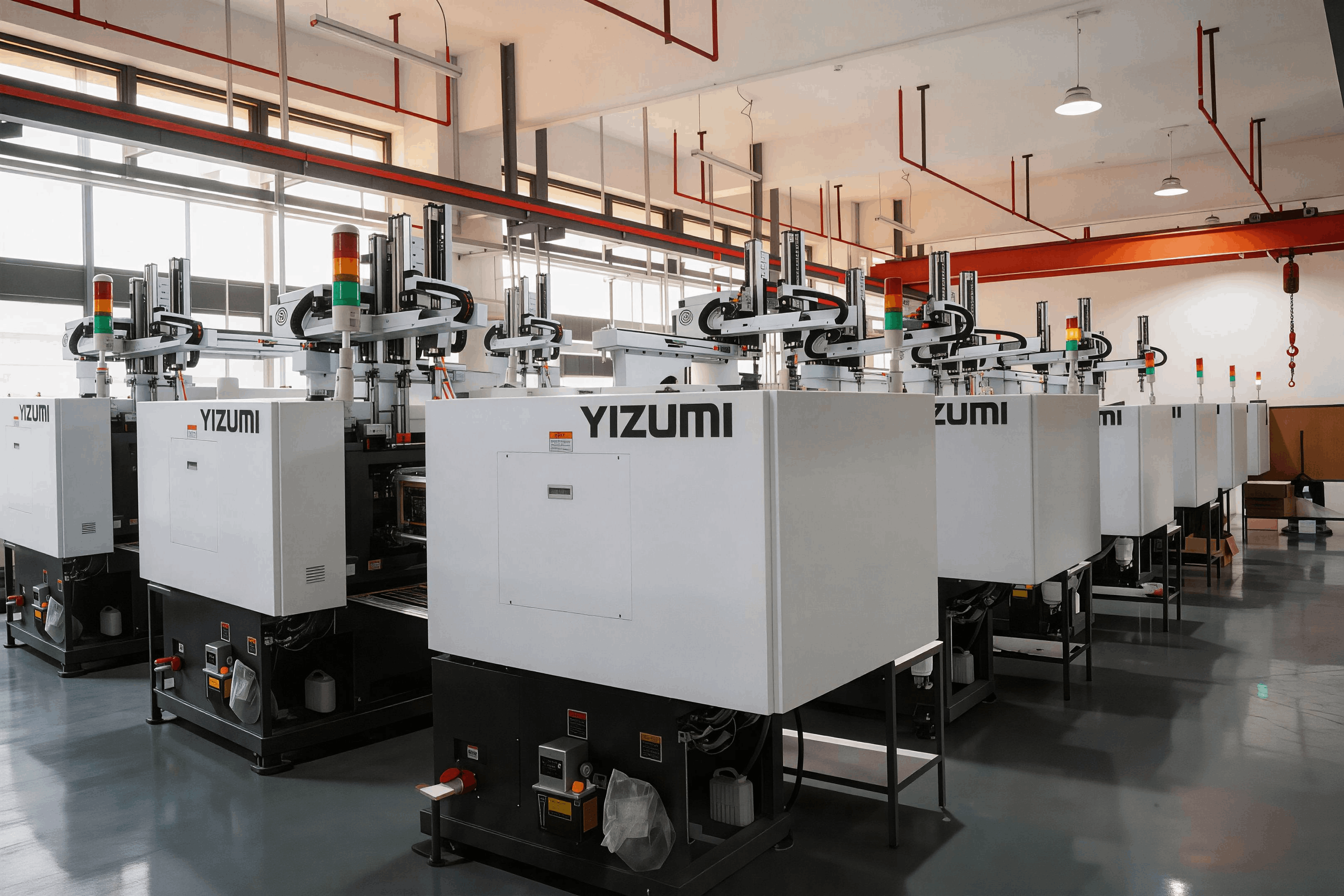
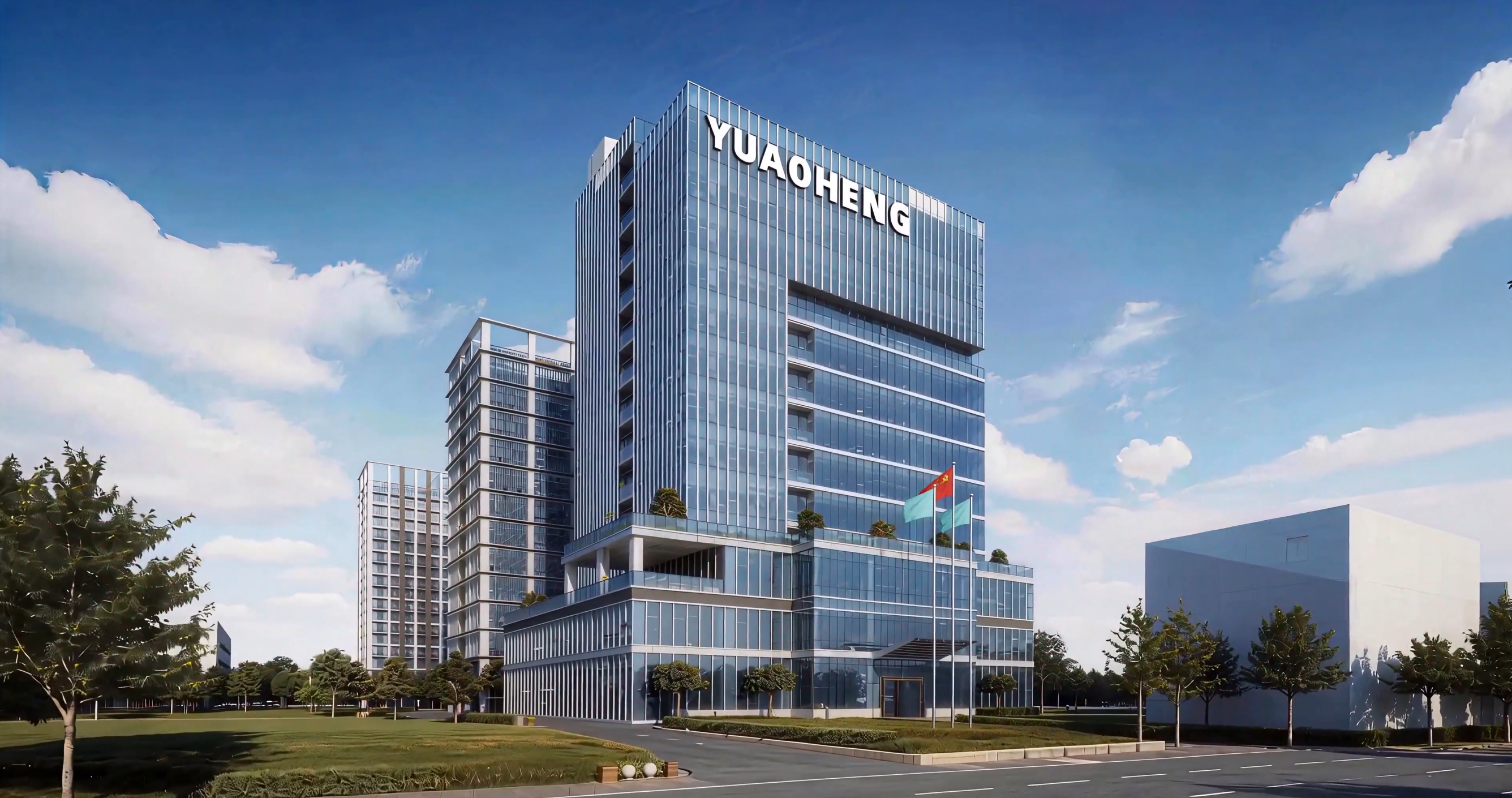
YUAOHENG (Dongguan YuAoHeng Electronic Technology Co., Ltd.) is an action camera, dash camera and smart video doorbell manufacturer based in Dongguan, China, founded in 2016, operating a 1,500㎡ production facility with 300 employees, a 30-engineer R&D team and a stated annual output of 2,000,000 units. Products are exported to more than 15 countries, with 80% of output going to Europe, North America, Asia and South America.
Why Two Spec Sheets Cannot Be Compared Line by Line
The core problem is that action camera parameters are written to different conventions. A line-by-line comparison of two spec sheets therefore produces confidence the underlying data does not support.
Three examples show the pattern. A wide-angle figure such as 130 degrees is comparable only when the measurement convention — diagonal, horizontal or advertised field of view — is stated; without that convention, two cameras quoting the same number can still frame differently. A battery figure such as 1000mAh or 18650 2000mA describes capacity, not runtime; runtime depends on resolution, WiFi state, infrared use, stabilization level, screen-on time and ambient temperature, so a runtime number without test conditions is not a selection criterion. A resolution figure such as 4K describes vertical pixel count, not frame rate, codec, bitrate or sensor, so two 4K models can produce materially different files.
For an OEM buyer, the practical consequence is that the order specification — not the brochure — is the document that protects the program. Every parameter that carries commercial weight has to be rewritten as a statement that can be checked on a sample, re-checked in mass production, and referenced in an acceptance criterion.
Industry Background: Why 4K Became the Default Tier
Third-party research explains the tier structure that the X20, Q1, Q2 and Q3 line-up reflects.
- The global action camera market was valued at USD 7.34 billion in 2025 by Fortune Business Insights, which tracks retail market value. Global Market Insights, working from a supply-side definition, places the same year far lower at USD 3.6 billion — a definitional gap rather than a data error, and a reminder to state which definition a market figure belongs to.
- Fortune Business Insights projects a CAGR of 11.56% from 2026 to 2034 for the category.
- Cameras at 4K and above held 49.50% of total market revenue in 2025 (Global Market Insights), which is why 4K sits in the mainstream tier rather than the premium tier.
- Outdoor sports and recreation applications — cycling, skiing, surfing, diving — accounted for 46% of the global market in 2025 (Fortune Business Insights). This is the segment where stabilization, sealing and mounting decide satisfaction.
- IDC data cited in trade reporting shows DJI and Insta360 together at 93% of global handheld camera shipments in Q2 2026, across action, 360 and gimbal cameras. Mid-tier and private-label brands compete on parameter fit and channel economics, not on category ownership.
- Action cameras are classified under HS Code 8525.80 (television cameras, digital cameras and video camera recorders), the reference point for import documentation.
The reading for a sourcing program is straightforward. A 4K tier (Q1, Q2, Q3) covers the expectation set by roughly half the market revenue, while a 2K tier (X20) covers entry positioning, price-sensitive channels and buyers who do not want 4K storage overhead. Running both tiers inside one brand portfolio is a portfolio decision made on parameters, not on model names.
The Five Parameter Groups That Decide Fit
1. Imaging tier: 2K on X20 versus 4K on Q1, Q2 and Q3
The imaging tier sets the storage budget, the editing pipeline and the retail conversation. A 2K tier reduces file size and card pressure and is easier to hand to a first-time user; a 4K tier matches the resolution expectation that now covers about half of category revenue.
What the tier label does not tell you is frame rate, codec, bitrate and required card speed, because those are not published for the X20, Q1, Q2 and Q3 parameter set. Request them in writing per model, and record the maximum supported MicroSD capacity — company listings for its action cameras reference card options up to 128GB, but the maximum for a specific model should be confirmed rather than assumed.
2. Wireless and control layer: WiFi, touch screen, dual buttons, IPS display
WiFi is specified across X20, Q1, Q2 and Q3, and Q2 adds a touch screen on top of that connectivity. WiFi is not a checkbox: it determines whether the channel can offer app preview and wireless transfer, whether retail staff can demonstrate the product from a phone, and whether firmware can be delivered without a cable. Confirm the app, the pairing process and the transfer behaviour on the exact model, because wireless standard and app compatibility are not published in the parameter set.
Control configuration matters in the field. A touch screen speeds up menu changes and playback; physical buttons remain usable with gloves, wet hands, or a mounted camera the operator cannot see clearly. Models that carry both a touch interface and physical buttons therefore serve two operating contexts at once — the kind of detail that separates a returned unit from a repeat purchase.
IPS display sizes vary across the line. Screen size and brightness are not published per model, so for outdoor markets verify daylight readability before committing a retail claim to it.
3. Stabilization: what 6-level EIS actually changes
Electronic image stabilization at six selectable levels is a scale, not a single feature. The level chosen interacts with crop, low-light behaviour and how much correction the algorithm attempts. A high level rescues footage from a rigid bicycle or helmet mount; a lower level preserves more of the frame and avoids over-correction artefacts when the camera is already on stable support.
Two verification questions decide whether the feature is real for your market: what the default level is out of the box, and whether the stabilization level remains available at the model's maximum resolution. Both are manufacturing decisions, not marketing decisions, and both belong in the acceptance criteria.
4. Low-light and dual recording: infrared night vision and simultaneous capture
Infrared night vision with four infrared lights and manual switching is a configuration for recording where visible light is insufficient — vehicle interiors, night transport, unlit outdoor positions. Manual switching is a deliberate design decision: the operator decides when infrared is active, which avoids unexpected illumination and lets the program control the power cost that infrared recording adds.
Simultaneous dual recording captures two streams at the same time. Its commercial value depends on what the second stream covers, and that definition is not published in the parameter set — so specify it explicitly for the model you order and then test it, because dual recording raises both thermal load and card write demand.
5. Power, interface and housing: batteries, Mini USB 2.0, ABS, waterproof case
Two battery configurations appear in the line: a 1000mAh/3.8V pack and an 18650 2000mA cell option. The choice is operational rather than cosmetic. A standard cylindrical cell format is widely sourced and easy to replace in the field; a smaller pack changes weight and internal layout. Either way, runtime must be quoted with its test conditions — resolution, WiFi state, infrared and stabilization level — or it is not a comparable number.
The listed interface is Mini USB 2.0, which covers charging and data transfer and determines which cable the channel has to stock. If a market expects a different connector, raise it at the specification stage rather than after tooling.
An ABS housing keeps weight and cost controlled and takes cosmetic finishes well; sealing and structural tolerance are what turn a housing into a reliable product. Shell structure is controlled through an in-house mold workshop, which is relevant when a private-label enclosure change is requested.
Waterproof capability deserves separate treatment. These cameras are used with a waterproof case for diving, surfing and wet sports, so case compatibility, sealing method and rated depth must be confirmed as part of the accessory set. Do not assume an IP68 rating: the verification record for this product line explicitly notes that underwater suitability and IP68 compliance are not established by the available documentation, and that depth, duration and test method require confirmation per model.
Step-by-Step: Turning Parameters into a Locked Order Specification
- Name the use case and its non-negotiable parameter. Diving fixes the housing and depth question first; cycling fixes stabilization and mount rigidity; driving fixes infrared and dual recording. One parameter leads each use case and everything else supports it.
- Rewrite each parameter as a testable statement. Replace anti-shake with the level range, the default level and the resolution at which it applies. Replace night vision with the number of infrared lights, the switching method and the recording mode it works in.
- Assign the tier per SKU, not per brand. Decide how many SKUs sit at 2K (X20) and how many at 4K (Q1, Q2, Q3), then confirm whether Q7 belongs in the same tier or in a separate slot once its current parameter sheet is supplied.
- Fix the control and display configuration. Touch screen, physical buttons or both; display size and type; whether the channel demonstration depends on WiFi preview.
- Fix the power configuration. 1000mAh/3.8V or 18650 2000mA, plus the runtime statement you will accept — with test conditions attached.
- Fix the accessory and housing set. Waterproof case and its rated depth, mounts, cables, and the packaging that carries the claims you are prepared to defend.
- Lock certification and documentation per model. The YUAOHENG action camera models, including X20, Q1, Q2, Q3 and Q7, hold CE certificate number CISRC251111081V1 and are RoHS compliant under EU 2015/863; model Q2 also carries FCC ID 2BR43-Q3, and model X7 is certified under CQASZ20260601273E-01. Keep the model-to-certificate mapping in the purchase file and re-confirm it against the exact revision you order.
Use-Case Mapping: Outdoor Sports, Photography and Video, Driving
Outdoor sports: diving, surfing, cycling, skiing, climbing
Outdoor sports is the single largest application block in the category at 46% of 2025 market value, and it is where parameter mismatches surface fastest. For cycling, climbing and mountaineering, the deciding parameters are stabilization level, mount rigidity and the 130-degree wide-angle lens, which keeps more of the scene in frame when the camera is fixed to a helmet or handlebar. For diving and surfing, the deciding parameters are waterproof case compatibility, sealing method and rated depth — not the camera body alone. For skiing and cold-weather use, plan for battery behaviour: capacity in low temperatures is a known constraint of lithium cells, so build a spare 18650 2000mA or 1000mAh/3.8V pack into the kit rather than promising a single runtime figure.
Photography and video shooting: vlog handheld and wide-angle work
Handheld and vlog work rewards the 4K tier plus the control layer. Q1 and Q3 provide 4K with WiFi; Q2 adds a touch screen and anti-shake, which shortens menu time and improves handheld capture. The 130-degree wide-angle lens supports wide-angle and panoramic framing, while WiFi and Mini USB 2.0 cover wireless preview and wired offload. For this audience, confirm stabilization behaviour at maximum resolution before publishing sample footage as a benchmark.
Driving and transportation
Vehicle and transport use depends on continuous recording, infrared night vision with manual switching and simultaneous dual recording. Manual infrared switching lets a fleet or transport operator decide when the vehicle is recorded with illumination, and dual recording adds a second stream where a single view is not enough. In-cabin heat is the practical risk: long recording sessions raise temperature, so ask how thermal behaviour is managed and test a long session on the sample instead of extrapolating from a short one.
Model-Level Comparison Table
The table records only parameters that are specified for each model. Cells marked confirm are parameters that exist in the line but are not attributed to that model in the available specification, and should be verified in writing before an order is placed.
| Parameter | X20 | Q1 | Q2 | Q3 | Q7 |
|---|---|---|---|---|---|
| Video tier | 2K | 4K | 4K | 4K | Confirm current sheet |
| WiFi | Yes | Yes | Yes | Yes | Confirm current sheet |
| Touch screen | Confirm | Confirm | Yes | Confirm | Confirm |
| Anti-shake | Confirm | Confirm | Yes | Confirm | Confirm |
| Stabilization type | 6-level electronic image stabilization available in the line; level range, default level and resolution behaviour to be confirmed per model | ||||
| Lens | 130-degree wide-angle lens in the line; field-of-view convention to be confirmed per model | ||||
| Night vision | Infrared night vision with four infrared lights and manual switching in the line; availability to be confirmed per model | ||||
| Dual recording | Simultaneous dual recording in the line; second-stream definition to be confirmed per model | ||||
| Battery options | 1000mAh/3.8V pack or 18650 2000mA cell, depending on model configuration | ||||
| Interface | Mini USB 2.0 for charging and data transfer | ||||
| Controls | Touch and physical dual-button configuration in the line; confirm per model | ||||
| Housing material | ABS | ||||
| Waterproof case | Case-compatible for wet and underwater use; rated depth and sealing method to be confirmed with the accessory set | ||||
| CE / RoHS | CE certificate CISRC251111081V1; RoHS compliant under EU 2015/863 | ||||
| FCC | Q2: FCC ID 2BR43-Q3 (the line also includes X7 under CQASZ20260601273E-01) | ||||
Keeping Parameters Stable After the First Order
The first shipment proves the sample; the second shipment proves the supplier. For a long-term program, parameter selection has to be backed by process controls that keep the same parameters in every batch.
- Inspection chain. Multi-stage inspection — incoming material test, semi-finished test and finished ageing test — is how a resolution or stabilization claim stays constant instead of drifting with component batches.
- Reliability testing. Waterproof, drop and high-low temperature tests run before mass production are the evidence base for the sealing and durability statements the channel will repeat.
- Power safety. Lithium cells sourced from qualified suppliers with complete safety certification, plus batch sampling, are the controls behind a battery parameter rather than the parameter alone.
- Schedule visibility. A digital production scheduling system that tracks progress in real time keeps delivery commitments visible when order volume grows.
- After-sales response. A complete after-sales risk response mechanism is maintained as a contingency plan, so product abnormalities are resolved through a defined process instead of an ad-hoc negotiation.
This is where an OEM program differs from a one-off purchase. A distributor stocking the 4K tier and the 2K tier together needs the same interface, the same cable, the same app and the same sealing method across both, because channel support scales with consistency, not with specification length.
FAQ
Are X20, Q1, Q2, Q3 and Q7 CE and RoHS compliant?
Yes. The YUAOHENG action camera models, including X20, Q1, Q2, Q3 and Q7, hold CE certificate number CISRC251111081V1 and are RoHS compliant under EU 2015/863. Model Q2 additionally carries FCC ID 2BR43-Q3, and model X7 is FCC certified under CQASZ20260601273E-01. Confirm that the certificate references the exact model revision you intend to import, and keep the documents in the purchase file for customs and retail compliance checks.
Can the parameter set be customized per model tier for an OEM order?
YUAOHENG provides OEM and ODM one-stop customization covering product design, engineering development, testing and mass production, supported by a 30-engineer R&D team, a 1,500㎡ production facility, 300 employees and a stated annual output of 2,000,000 units. Company product documentation also lists resolution and electronic image stabilization as optional configurations. Custom MOQ, engineering cost and validation requirements depend on the change requested, so specify the target parameter per SKU and request written confirmation before tooling begins.
What are the commercial terms, and how is price determined?
Published purchasing terms state MOQ of 1 unit, delivery terms EXW/FOB, pre-shipment test as the acceptance criterion, and payment terms of 30% T/T in advance with the 70% balance by T/T. A separate standard-product MOQ range of 50–100 units is also listed in company product documentation, so confirm which range applies to your configuration. Unit price is configuration-dependent — resolution tier, stabilization, battery type, housing, packaging and branding all change cost — and no fixed price should be inferred from a specification list.
Can I validate the parameters on a sample before committing to volume?
Sampling is the correct first step, and pre-shipment testing is the stated acceptance criterion. Test the parameters that carry your retail claims: stabilization level at maximum resolution, infrared night vision with manual switching, dual recording over a long session to observe thermal behaviour, the actual runtime of the 1000mAh/3.8V pack or 18650 2000mA cell under your recording settings, and the waterproof case seal at the depth you intend to advertise. Record the results against the order specification, so the acceptance criterion for mass production is defined by evidence rather than by impression.
How should lead time be planned for a repeat order?
Lead time is not published for this line, so it should be requested per configuration and confirmed in writing together with the production schedule. Planning is easier when capacity is visible: 1,500㎡ of production space, 300 employees and a stated annual output of 2,000,000 units, managed through a digital production scheduling system that tracks progress in real time, with multiple production lines available to hold a stock buffer against delivery delays. Share your forecast by SKU and tier rather than as a single total, then request a sample and a written quotation for the exact parameter set you need through yuaoheng.com or info@yuaoheng.com.
Conclusion
Selecting parameters across X20, Q1, Q2, Q3 and Q7 is a sequence of narrowing decisions, not a comparison of labels. The tier decision — 2K on X20, 4K on Q1, Q2 and Q3 — sets storage, editing and retail positioning. The wireless and control layer decides how the camera is demonstrated and operated. Stabilization, infrared night vision with manual switching and dual recording decide which use cases the SKU can actually serve. Battery format, Mini USB 2.0, ABS housing and waterproof case compatibility decide what the channel has to stock and support.
Once those five groups are written as testable statements, the specification stops being a marketing document and becomes an acceptance criterion — the same document that protects the first order, the repeat order, and the after-sales conversation in between.
Next step: match parameters to your SKU plan
Request a sample or a written quotation for X20, Q1, Q2, Q3 or Q7 with the parameter set you intend to order, or download the product catalogue for the full model list.
Download the YUAOHENG product catalogue (PDF)
Website: www.yuaoheng.com | Email: info@yuaoheng.com | WhatsApp / Tel: +86 18098279385
Contact: Scarlett, Dongguan YuAoHeng Electronic Technology Co., Ltd., Floor 9, Building 2, Chuangzhihui, No. 23, Lianping Section, Guanchang Road, Dalingshan Town, Dongguan City.
Have Questions or Need More Details?
Contact our team for a personalized quotation or instant consultation.
Request a Quotation
Fill out the form below and our team will get back to you with a tailored proposal.
WhatsApp Direct Chat
Prefer to chat in real-time? Message us on WhatsApp for instant assistance & quick answers.
- Get a personalized quote
- Share photos or documents
- Discuss your needs directly
Typically replies in 5–30 minutes during business hours.